Understand Your Local Market and Segment Your Offering
Before building your branded gas delivery app, conduct direct research in your target area. Identify:
- Main customer profiles (households, small businesses, industries).
- Peak hours and seasonal demand.
- Direct competitors and complementary services.
This insight will help tailor your app’s features, such as refill reminders and special offers for specific segments.
Prioritize Safety and Regulatory Compliance
Gas is a sensitive product, so:
- Integrate clear processes to verify licenses and certifications of suppliers and delivery personnel.
- Include safety alerts for users and protocols that delivery drivers must follow.
- Ensure the app allows real-time incident reporting for swift response.
This approach not only protects customers but also builds trust in your brand.
Design a Simple and Reliable User Experience
Gas purchases are often recurring and trust-based. To foster this:
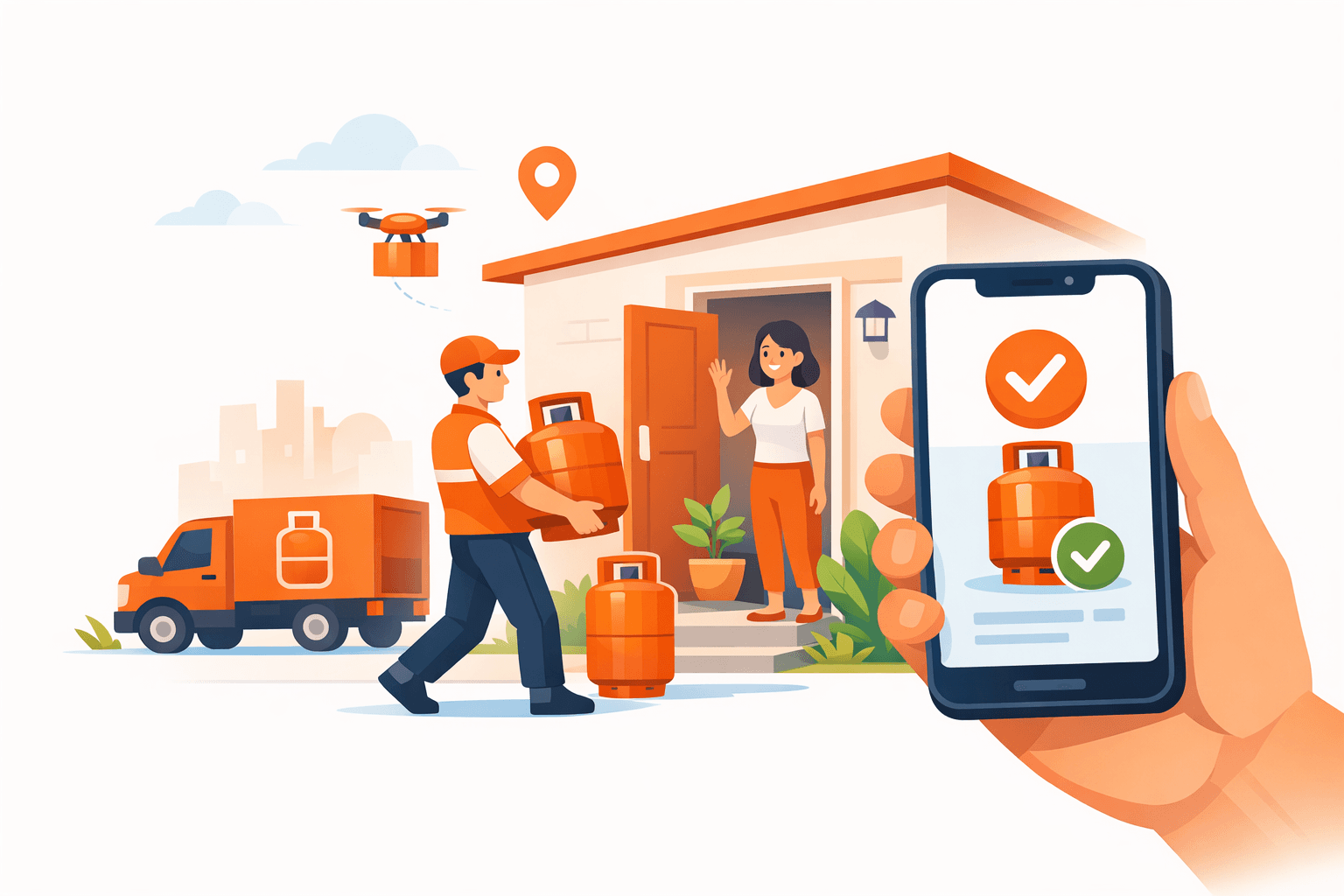
- Simplify the interface, clearly showing order status and estimated delivery times.
- Implement push notifications for shipment updates, promotions, and reminders.
- Provide multiple secure payment options, including contactless methods.
Optimize Logistics with Smart Routing and Fleet Management
Efficient operations lead to satisfied customers and lower costs:
- Use technology to plan optimized delivery routes considering traffic and priorities.
- If possible, integrate a system to manage cylinder inventory and supplier contacts in real time.
- Train your delivery team to offer friendly, fast, and safe service.
Incorporate a Loyalty Program and Close Communication
To build a loyal user base:
- Offer discounts or perks for repeat purchases.
- Create direct communication channels for feedback and support.
- Use the app to educate users about safe gas usage and service updates.
By focusing on these updated strategy and operational tips, you can launch your gas delivery app with a robust, differentiated proposal aligned with market expectations in 2026.