Understand the Current Market and Its Needs
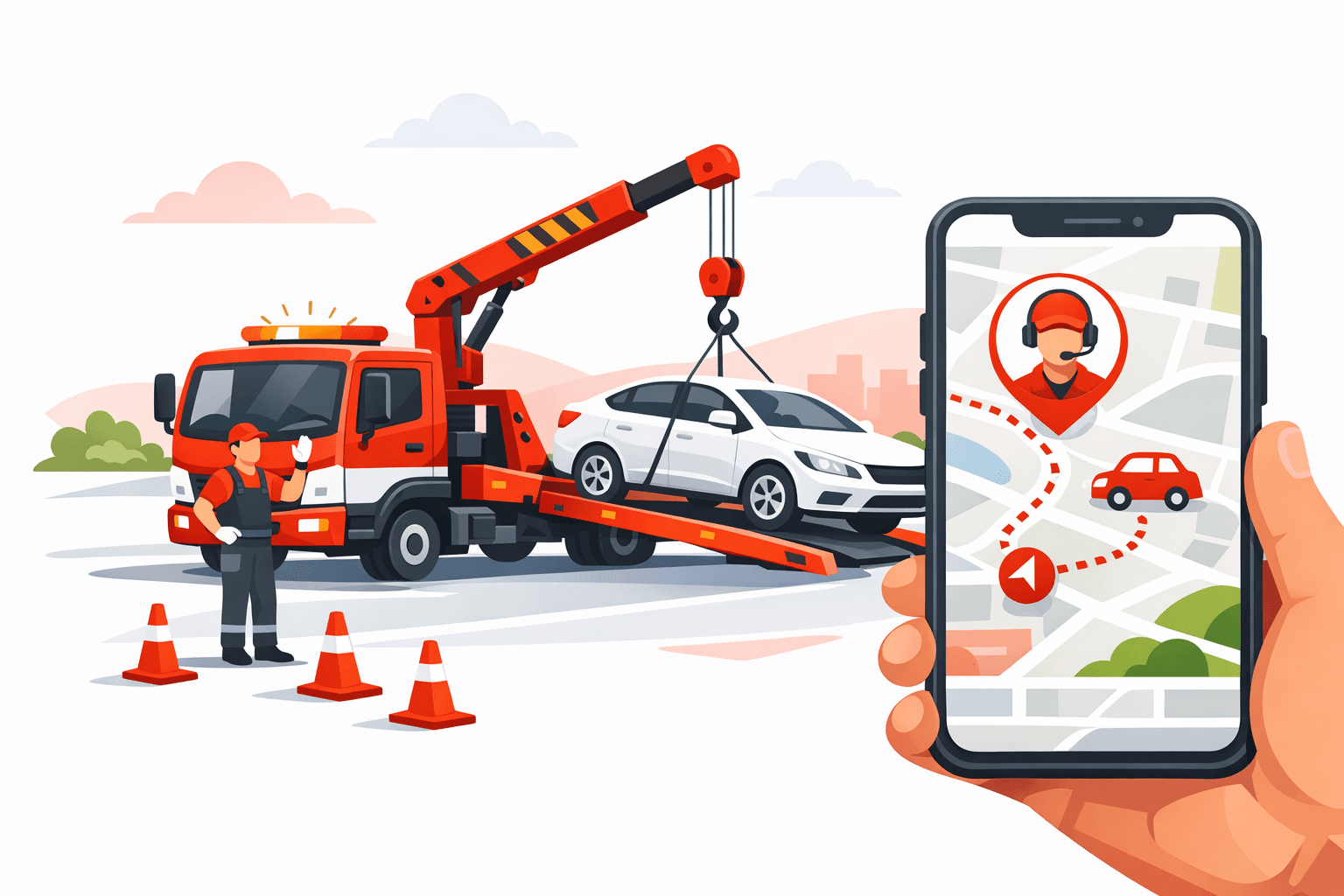
The tow truck and roadside assistance industry has undergone significant change, with users now expecting fast, reliable solutions right from their smartphones. By 2026, convenience and a seamless digital experience will be crucial to attract and retain customers.
- Prioritize rapid response times and transparent ETAs.
- Integrate real-time tracking features within the app.
- Enable direct communication between tow operators and end users.
Keys to Efficient and Scalable Operations
Having your own branded app lets you control service quality and fleet management. For efficient operations:
- Implement a request management system that prioritizes urgent calls.
- Optimize routes using GPS technologies to reduce arrival times.
- Train operators on customer service and app usage.
- Establish clear protocols for common and emergency scenarios.
Differentiation Through Features and User Experience
Beyond basic functionality, your app should stand out by fostering user loyalty:
- Offer integrated and secure payment options.
- Include service history and digital invoicing.
- Personalize the experience with relevant notifications and promotions.
- Consider partnerships with repair shops or insurance companies to provide added benefits.
Launch and Growth Strategy
Before launch, conduct pilot tests with a limited user group to gather feedback and refine your app. As you scale:
- Invest in targeted digital campaigns to attract local users.
- Collect and respond to reviews to continuously improve.
- Leverage usage data to identify trends and optimize your offerings.
Launching a branded tow truck and roadside assistance app in 2026 goes beyond technology—it requires a clear strategy that blends operational efficiency, user experience, and adaptation to the modern digital landscape.