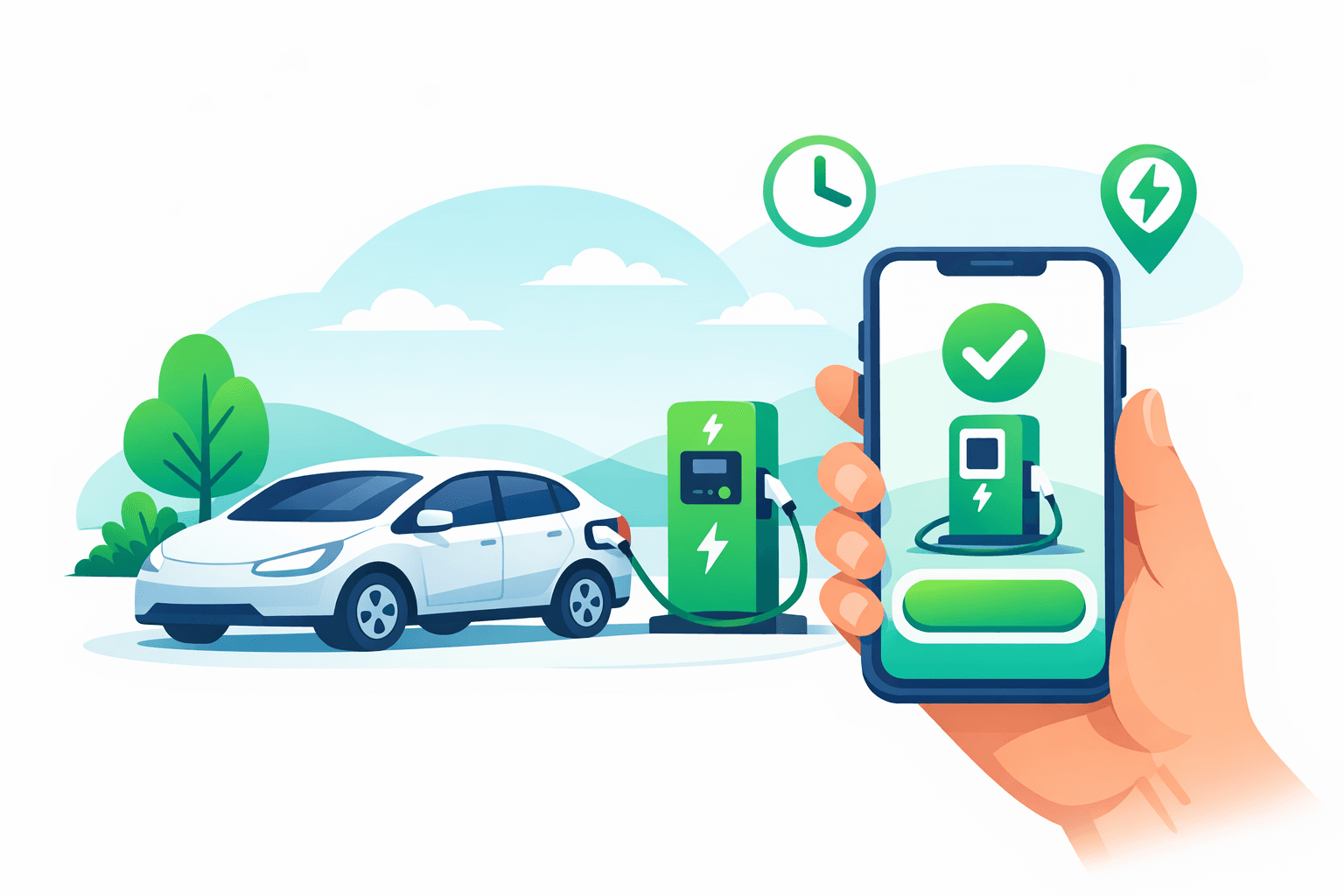
Understanding the EV Charging App User Profile
Launching a white-label EV charging app in 2026 requires a deep understanding of your end users’ expectations and behaviors. EV drivers prioritize speed, reliability, and ease of locating compatible charging stations. They also value features like seamless digital payments, route planning, and real-time availability updates. Knowing this profile helps you focus on key functionalities and craft an intuitive user experience.
Product Strategies for an Effective EV Charging App
- Integration with multiple networks and charger types: Ensure your platform supports both public and private stations, as well as different charging standards (AC, DC fast charging).
- Flexible user management and payment methods: Implement secure options for credit cards, digital wallets, and subscription plans.
- Real-time monitoring and predictive maintenance: Include systems that report charger status and alert for necessary maintenance to enhance reliability.
- Brand customization and communication: Apply your brand’s visual identity across the app and create channels for relevant notifications, promotions, or loyalty programs.
Operational Keys for Success and Scalability
- Strategic partnerships with infrastructure providers: Collaborate with station operators to grow your network and ensure location diversity.
- Responsive, multichannel customer support: Offer support via chat, phone, and email to quickly resolve user issues.
- Continuous station database updates: Keep data accurate to prevent user frustration from out-of-service stations.
- Data analysis to optimize experience and operations: Leverage usage data to spot demand patterns, improve routing, and implement dynamic pricing if applicable.
Building your app on flexible, scalable technology like Apphive powered by CabGo allows you to tailor and evolve your solution alongside the fast-paced electric mobility market, maintaining a competitive edge and driving user loyalty.