Understanding the niche and technological evolution
The shared rides market has matured considerably, with users now expecting not just affordable prices but also integrated experiences, safety, and sustainability. Before launching your app, analyze how recent trends like AI for route optimization and contactless payments are reshaping user expectations.
Strategy for a differentiated value proposition
To stand out with your branded app built on technologies like CabGo, focus on:
- Precise segmentation: Determine if you target dense urban zones, suburban corridors, or specific high-demand routes.
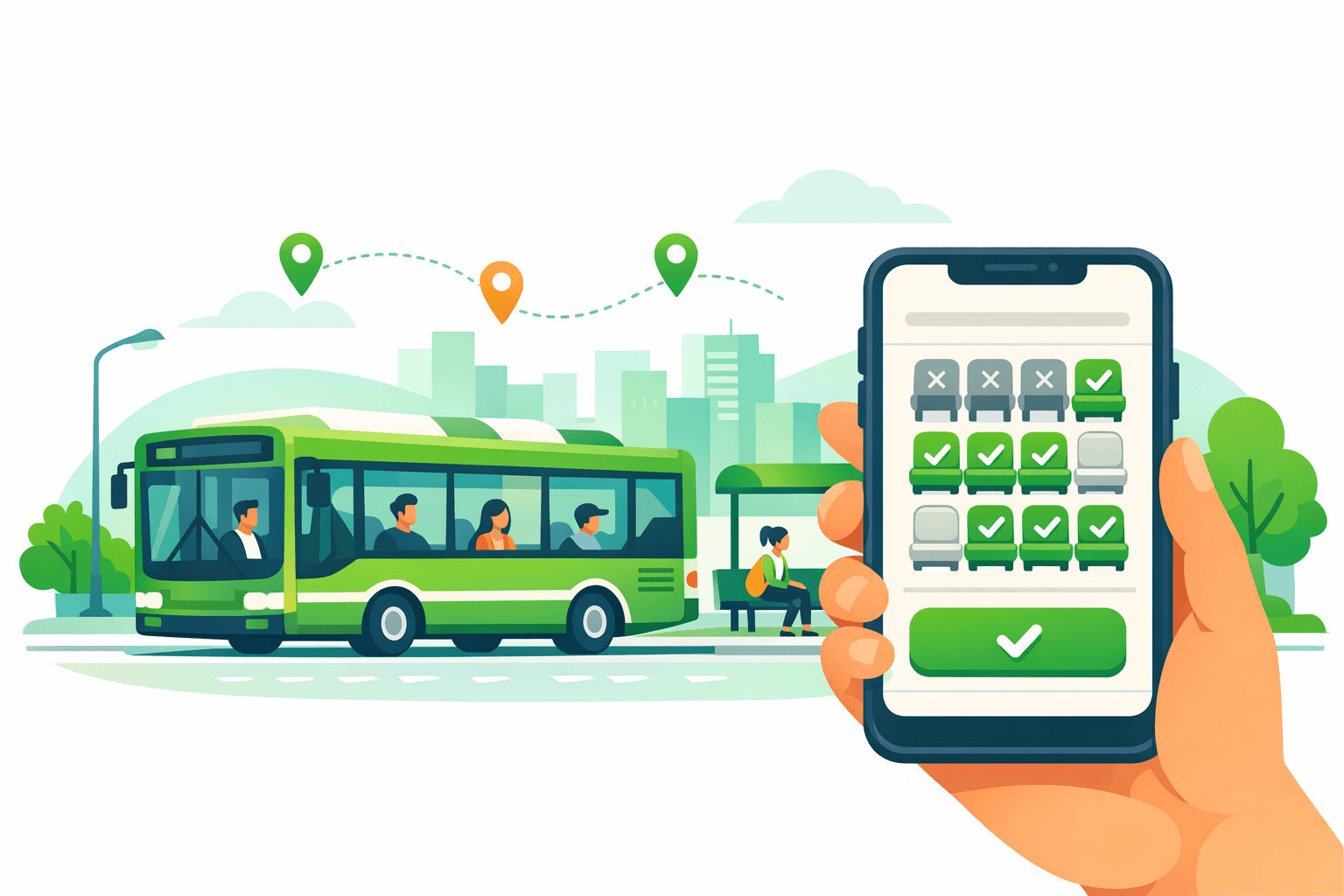
- Service personalization: Customize features such as seat selection, flexible stops, and payment options according to user profiles.
- Strategic partnerships: Collaborate with local businesses, educational institutions, or event organizers to ensure steady passenger flow.
Efficient and flexible operations
Operations are critical in shared ride services:
- Optimize vehicle allocation using algorithms that minimize wait times and empty miles.
- Provide clear, real-time communication through the app between passengers and drivers.
- Train drivers in customer service and safety, strengthening trust and retention.
Product and user experience
Your app development should emphasize:
- Intuitive and seamless interface: Make booking and tracking rides straightforward.
- Differentiating features: Include ride history, smart notifications, and multi-channel support.
- Continuous feedback loop: Implement easy ways for users to submit and see action on suggestions or complaints.
Conclusion
Launching a branded shared rides app in 2026 goes beyond technology. Success depends on deeply understanding users, building a robust operation, and delivering an experience that blends innovation, reliability, and convenience. Leveraging platforms like CabGo via Apphive Marketplace allows you to focus on these strategic areas while benefiting from proven technology to speed your launch.