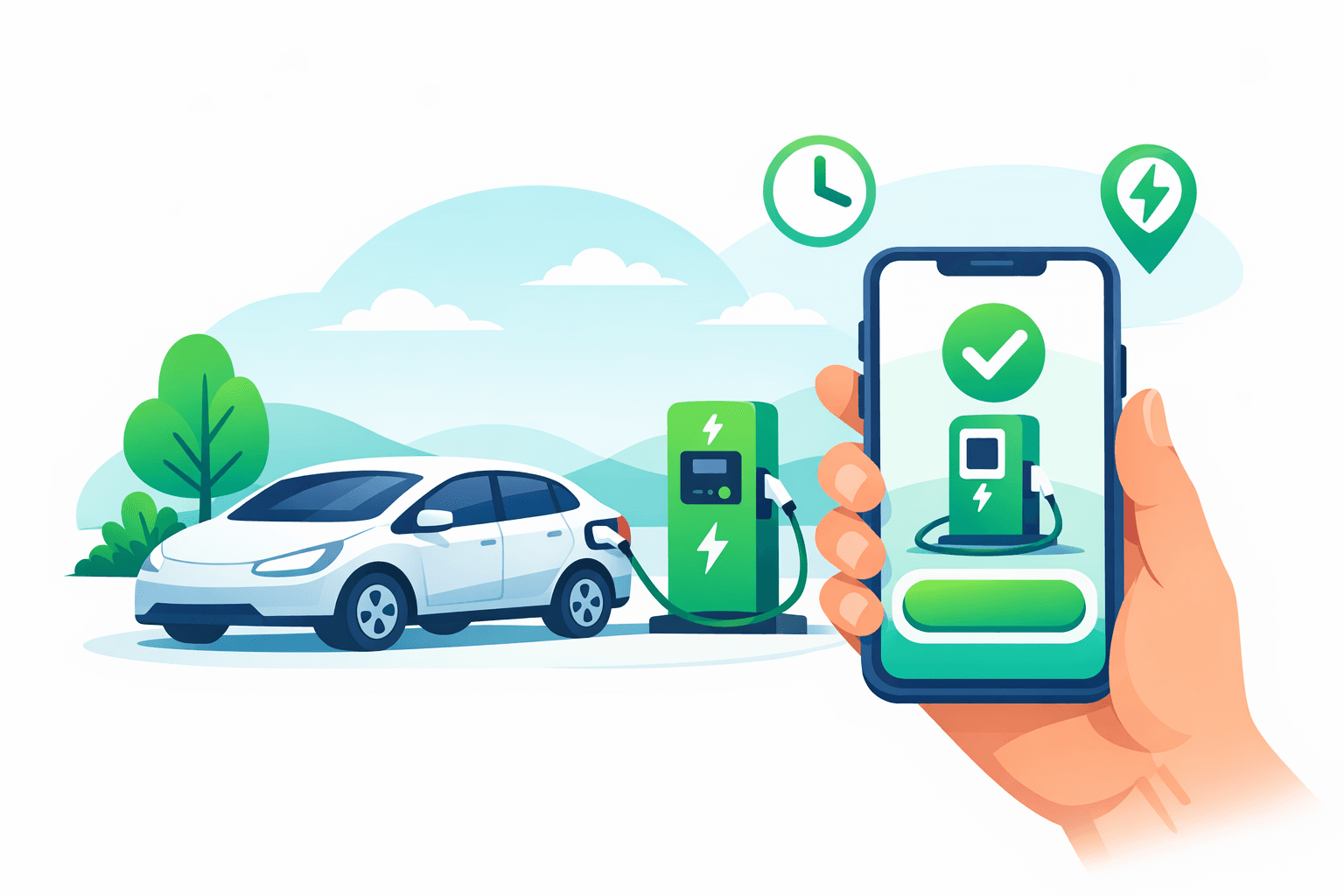
Understanding the EV Charging Niche in 2026
The electric vehicle market keeps expanding rapidly, yet charging infrastructure is still evolving. Launching a branded app in this space demands a blend of technology, usability, and an operational strategy aligned with current expectations: speed, accessibility, and reliability.
Strategy to Differentiate and Position Your App
- Comprehensive mapping of charging stations: Go beyond basic location data; integrate real-time availability, charger status, and connector types.
- Flexible reservation and payment options: Users appreciate apps that streamline the experience by offering multiple payment methods and the possibility to reserve charging spots in advance.
- Strategic partnerships: Collaborate with local station operators and vehicle brands to secure exclusive content or perks that attract and retain users.
Efficient Operation: Key Success Factors
- 24/7 customer support: EV charging is a critical service; quick issue resolution sets you apart.
- Continuous updates and maintenance: Keep your charging point database fresh to avoid user frustration.
- Usage analytics and feedback loops: Leverage operational data to spot usage patterns, peak hours, and opportunities to improve the experience.
Recommended Product Features for 2026
- Integration with navigation systems and smart vehicles: Enable your app to connect with cars to optimize routes and suggest ideal charging stops.
- Gamification and loyalty programs: Encourage frequent use with rewards, discounts, or redeemable points, strengthening user engagement.
- Multimodal support: Include options for different charging speeds (fast, standard) and compatibility with commercial fleets or private users.
Launching a branded EV charging app in 2026 means grasping new technological and operational demands within this ecosystem. Focus on user experience and sector collaboration to build a robust and competitive product.