Understand Your End User's Profile and Needs
By 2026, users expect not just affordability but convenience and sustainability from shared rides. Before launching your app, clearly define your target audience: Are they daily commuters? Students? Occasional riders? This focus will help tailor features and experience to maximize retention.
- Design efficient routes and flexible options aligned with peak demand areas and times.
- Integrate smart notifications to anticipate delays or changes.
Differentiation Through Experience and Technology
The shared mobility market is mature, so your app must offer something distinct to attract users:
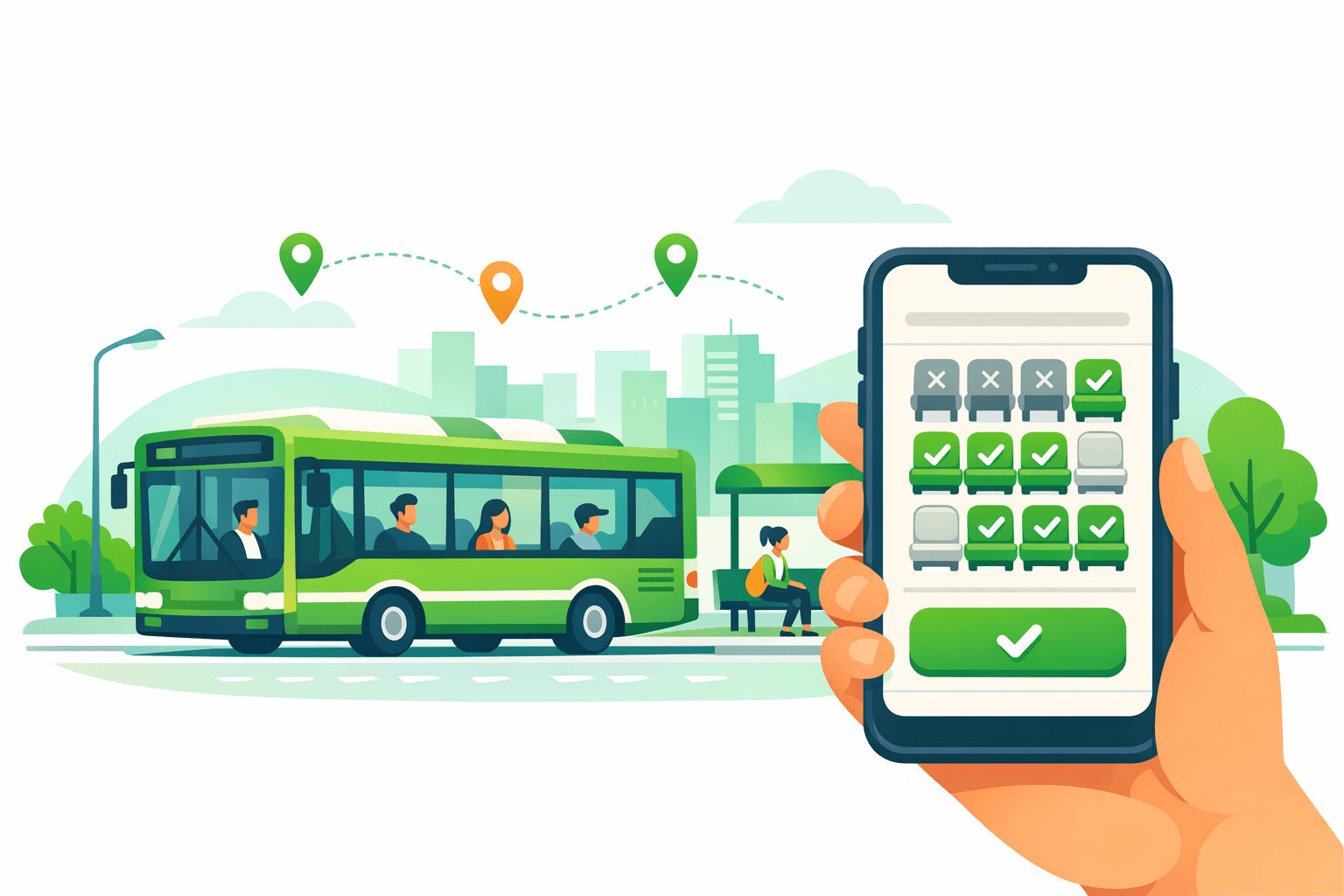
- Implement dynamic matching systems that cut wait times and optimize vehicle occupancy.
- Provide transparency with real-time geolocation and verified driver profiles.
- Explore partnerships with sustainability initiatives to appeal to environmentally conscious riders.
Efficient Operations as the Key to Scalability
Launching the app is just the start. Daily operations are critical to maintain trust and service quality.
- Set up continuous feedback channels between riders and drivers to quickly resolve issues.
- Train drivers in customer service and handling shared ride-specific situations.
- Automate route and schedule management to adapt dynamically to demand.
Practical Tips for Your Launch
- Pilot the app in a small area to validate user acceptance and fine-tune operational details.
- Use local campaigns and partnerships to build brand awareness and community.
- Stay informed on local shared mobility regulations and ensure compliance from day one.
With a strategic plan focused on user experience, operational efficiency, and clear market differentiation, your branded shared rides app can become a local leader combining technology and brand identity for sustainable growth.